

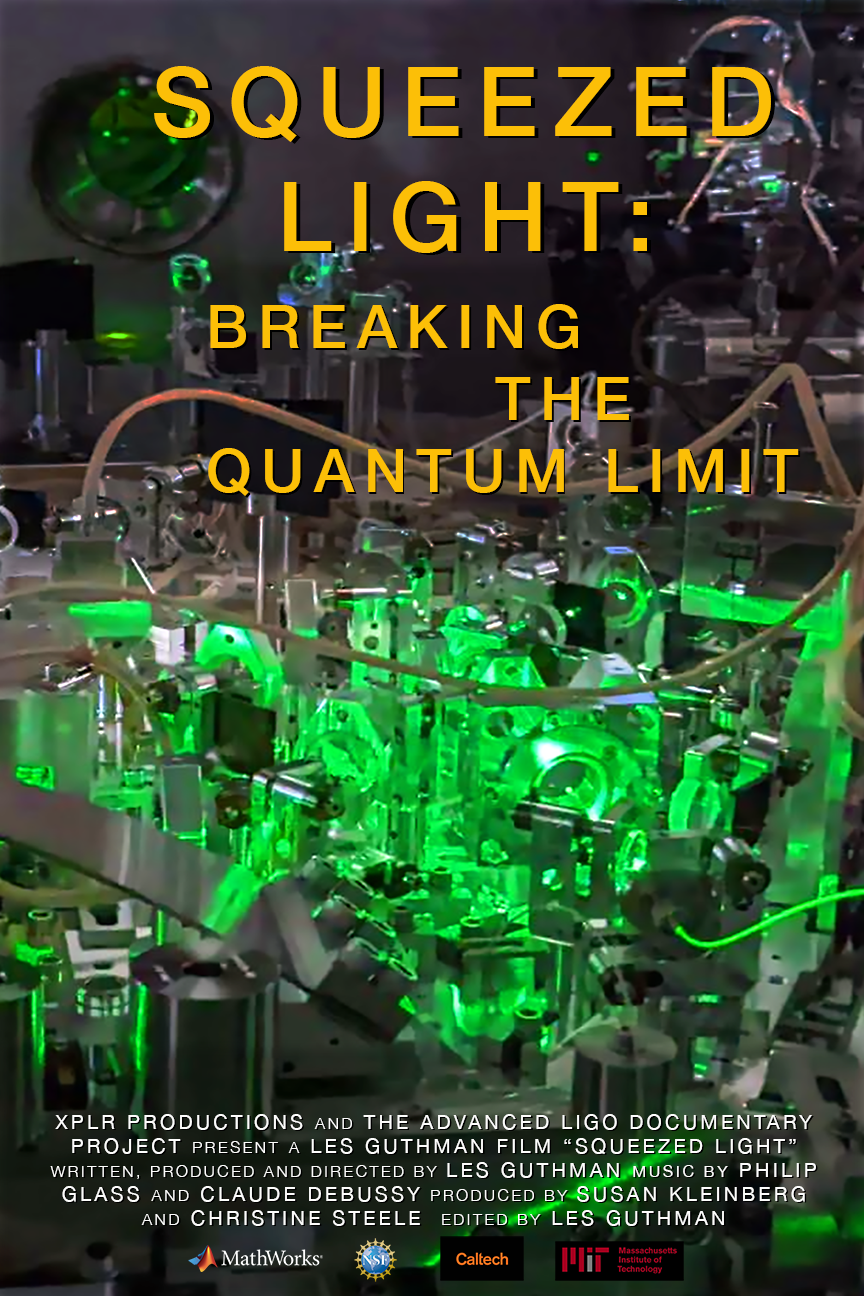
“LIGO” Documentary: "I don't think I have ever seen a better presentation of how science is done.”
— Rai Weiss, 2017 Nobel Prize in Physics, for LIGO.
“When we look back on the era of the Renaissance and ask ourselves, “What did the humans of that era give to us that’s important to us today?” I think we would all agree it’s great art, great architecture, great music. Similarly, in a few hundred years when our descendants look back on this era, and they ask themselves what were the great things that came to us from this era, I believe they will be a fundamental understanding of the laws that control the universe, and an understanding of what those laws do in the universe, an exploration of the universe. LIGO is a big part of that.” — Kip Thorne, 2017 Nobel Prize in Physics, for LIGO
“Everything fell in place to make this a great project. But, your ability to immerse yourself into our complex culture and project, distill the essentials, put them onto film and then make it interesting for viewers is truly impressive.”
— Barry Barish, 2017 Nobel Prize in Physics for LIGO.
“I really appreciate you highlighting all these female scientists and the work they've been doing. Their passion was electrifying!” — Stavroula Toska, screenwriter, director, producer.
“Brilliant”
— Richard Bateson, Director, Physics on Film festival, Institute of Physics, London.
“When you know what it’s doing you can’t be certain where it is, and when you know where it is you can’t be certain what it’s doing: Heisenberg’s uncertainty principle; and this is not because you’re not looking carefully enough, it is because there is no such thing as an electron with a definite position and a definite momentum; you fix one, you lose the other, and it’s all done without tricks, it’s the real world, it is awake.”
— Tom Stoppard, HAPGOOD
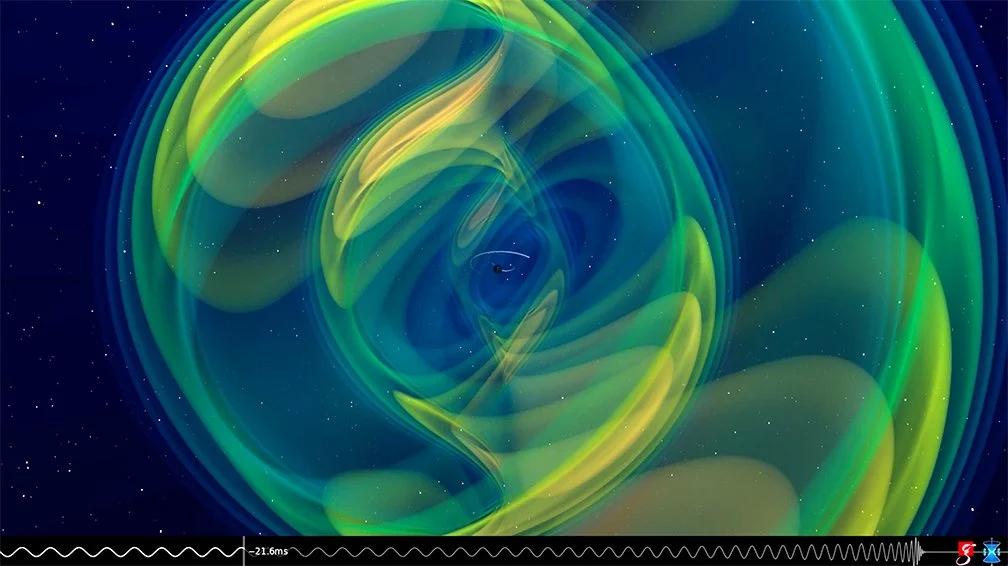
In 2015, The LIGO Scientific Collaboration made the historic discovery of two coalescing black holes and the waves of curved space, gravitational waves, that erupted out of this cosmic explosion. It was the first discovery in what Kip Thorne called the violent “warped side” of the universe, invisible to our observatories and space based cameras. And then, just two years later, Thorne, Rai Weiss and Barry Barish won the Nobel Prize in Physics for LIGO.
The discovery made by LIGO's two giant detectors in Louisiana and Eastern Washington State was the culmination of a half-century-long search.
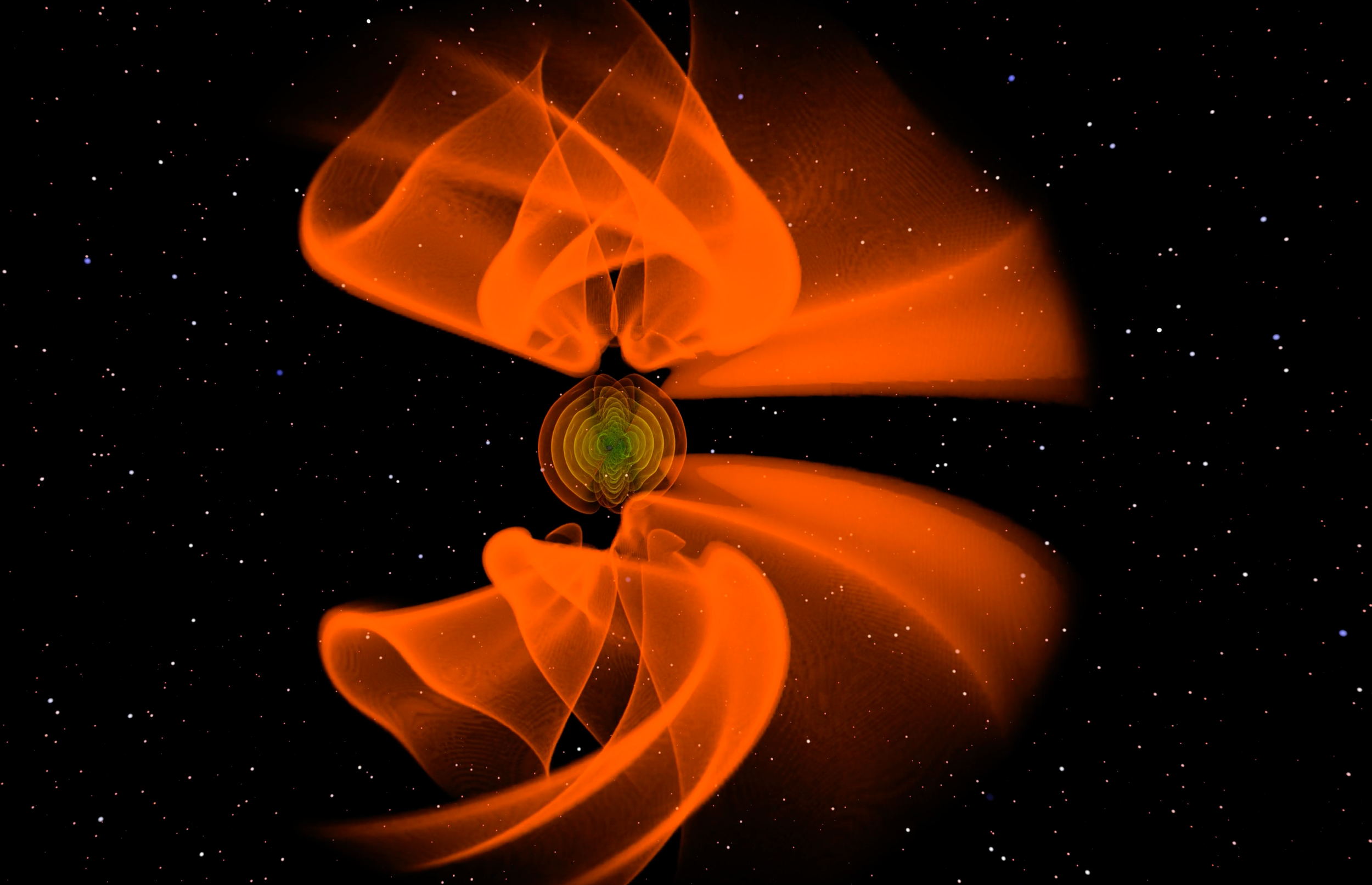
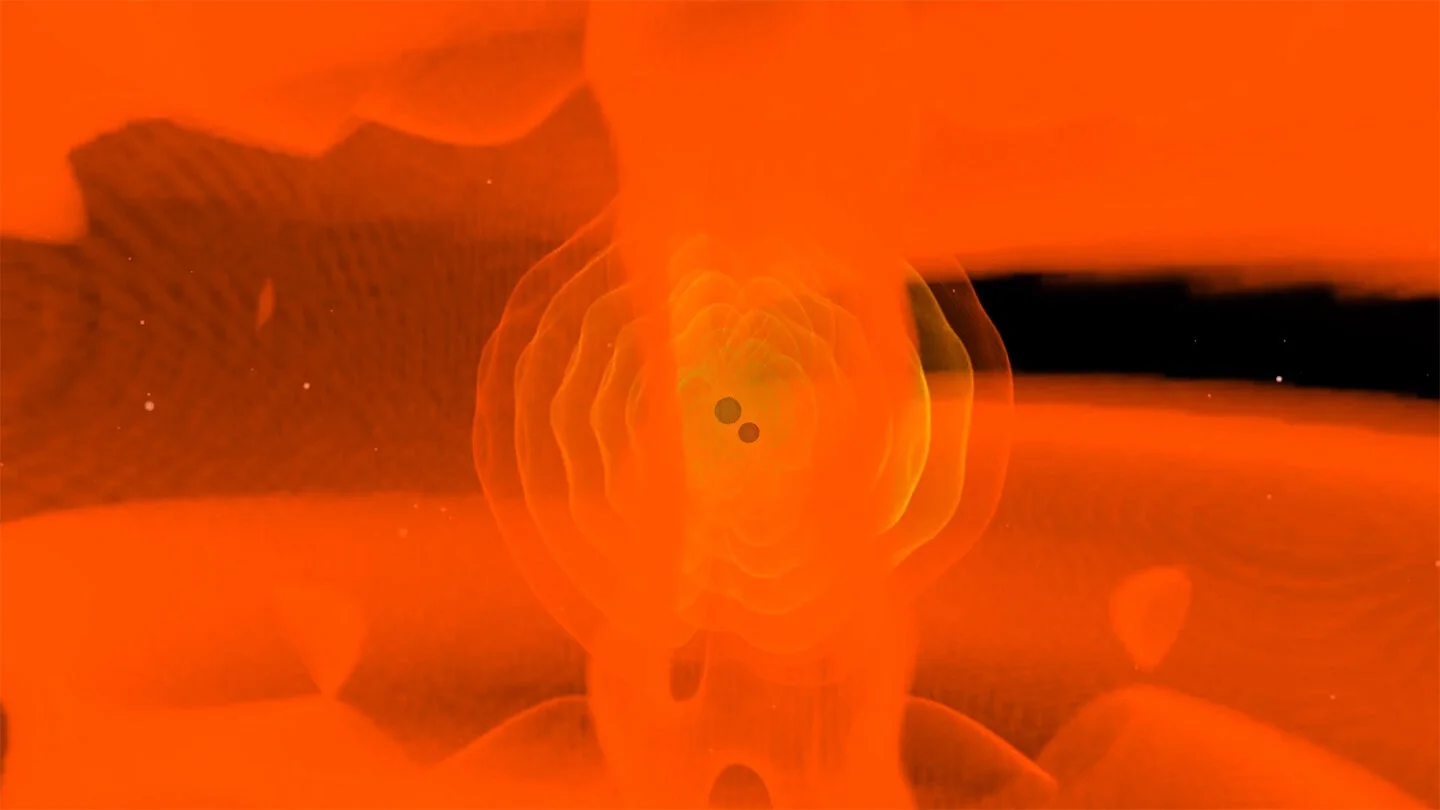
Gravitational Wave Event GW150914 Credit: Simulating Extreme Spacetimes Project (SXS) and LIGO Laboratory.
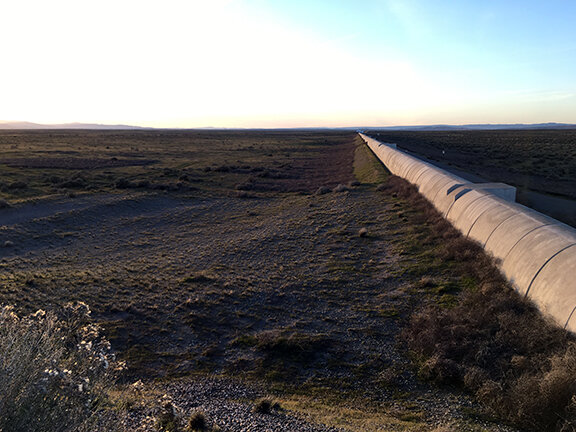
As the gravitational waves sweep across the observatories, infinitesimally stretching and squeezing the arms, laser beams bounce back and forth off of mirrors at each end of each arm and thereby detect and measure the stretching and squeezing of the arms. This dance of the mirrors traces the signal of the colliding black holes or neutron stars, a signal in which the characteristics of the event, the identity of the event, are imprinted like a fingerprint.
The signal is so exquisitely faint that Kip knew — as early as 1978 — LIGO’s observatories would have to reach a sensitivity of 10-to-the-minus-18 meters in their measurement of the movement of the mirrors. That is one with 17 zeros in front of it. So, it was a quantum measurement in the displacement of these 4 km, or 2.5 mile-long, arms.
It was Vladimir Braginsky, a Soviet scientist, and Kip, who decades ago became concerned that once LIGO achieved that measurement in the quantum world, looming ahead was an impenetrable quantum barrier that might well be an ultimate limit to LIGO's sensitivity: A theoretical barrier that had stood firm for nearly a hundred years.
It was based on Werner Heisenberg's famous uncertainty principle of 1927, one of the pillars of quantum physics, which said that in the quantum world a precise continuous measurement of subatomic particles, such as electrons, or photons, the particles of light, was impossible. Because, once the position of a particle was measured, the uncertainty of its momentum or movement must be unknown, and vice versa.
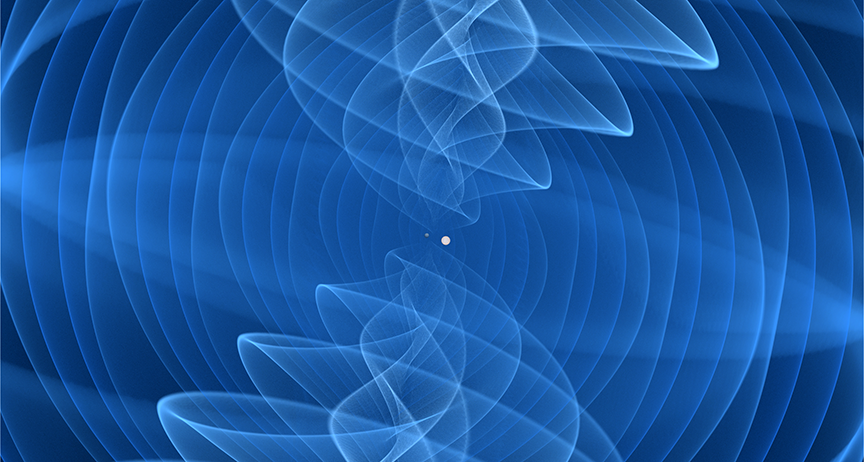
Gravitational Wave Event GW230529 Credit: Max Planck Inst. for Gravitational Physics and Potsdam University
These gravitational waves are so faint, it is like seeing one strand of hair on the surface of the nearest star, Alpha Centauri, 25 trillion miles away.
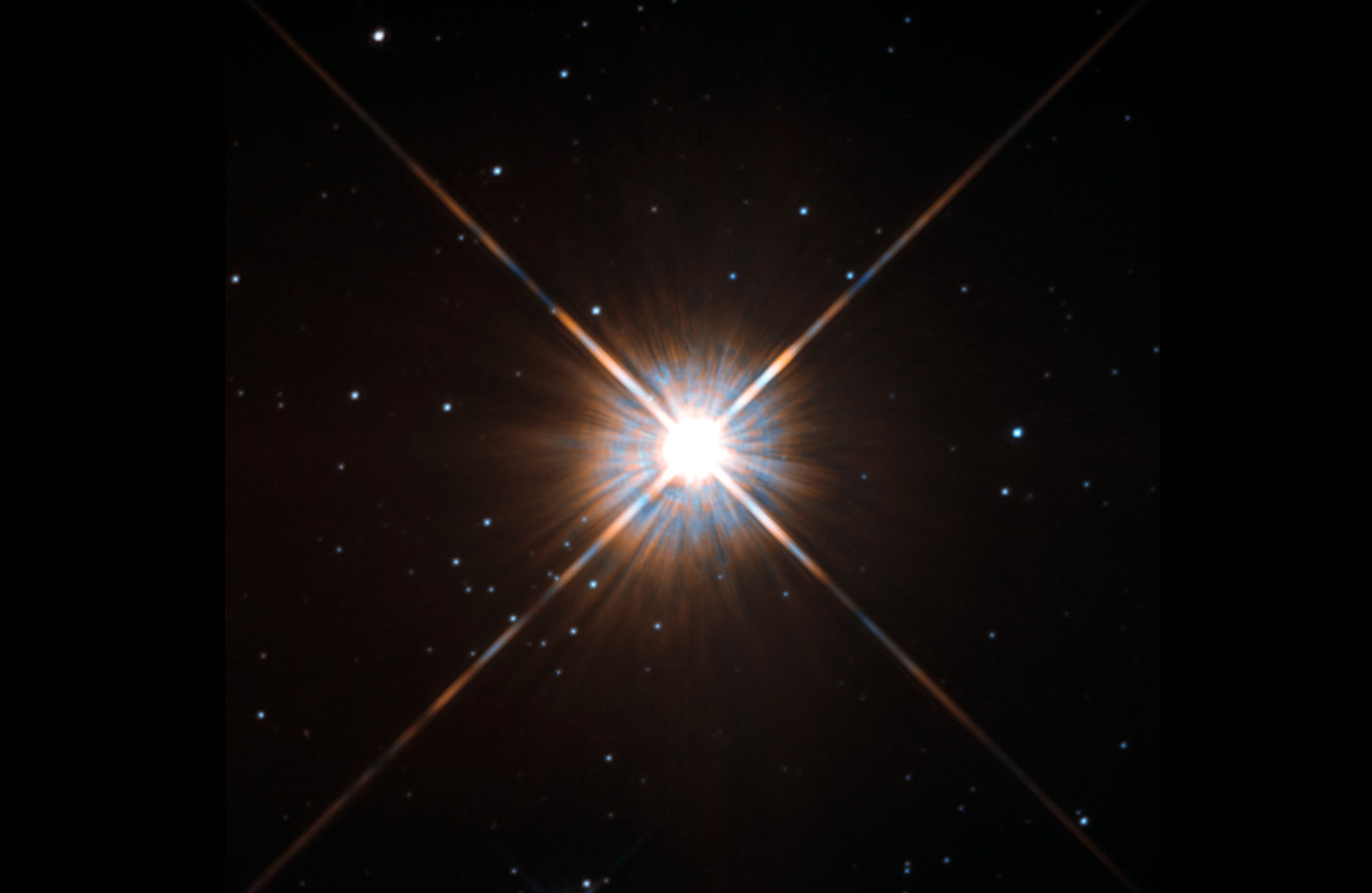
Alpha Centauri Credit: ESA/Hubble & NASA
Bringing a measurement at the level of seeing one hair 25 trillion miles away to distances on Earth itself was like measuring a subatomic particle 10,000 times smaller than a proton in the nucleus of an atom. A quantum measurement, indeed.
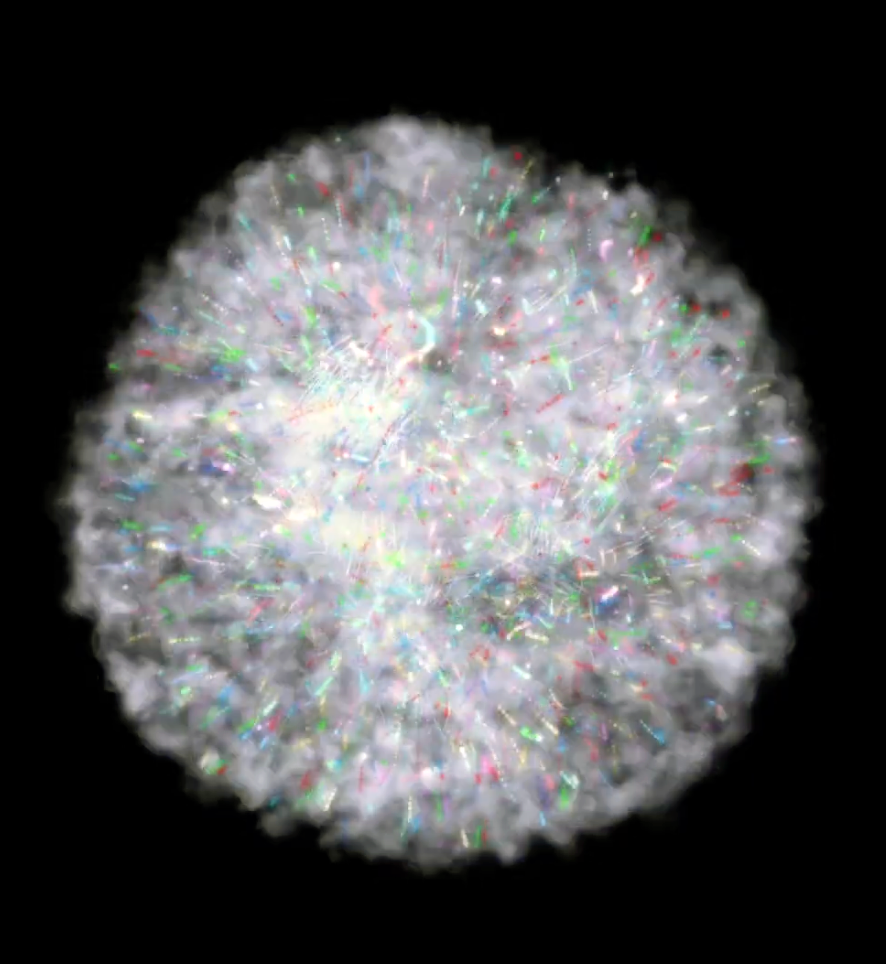
Proton Image Credit: MIT Center for Art, Science and Technology, Jefferson Lab and Sputnik Animation.
So, all continuous measurement here would be uncertain. Everything would be probability: A cloud of probabilities to only estimate the specific qualities of the laser light measuring the gravitational waves.
Kip, Braginsky and others knew early on this was a severe limitation to how sensitive the LIGO observatories could ever become, which was another way of saying they feared there would be an ultimate barrier to how far they could see into the warped side, the unknown side, of the universe.
More than five decades later, in 2023, LIGO succeeded in breaking this theoretically insurmountable barrier, known as the Standard Quantum Limit. This is the story of that astonishing achievement.
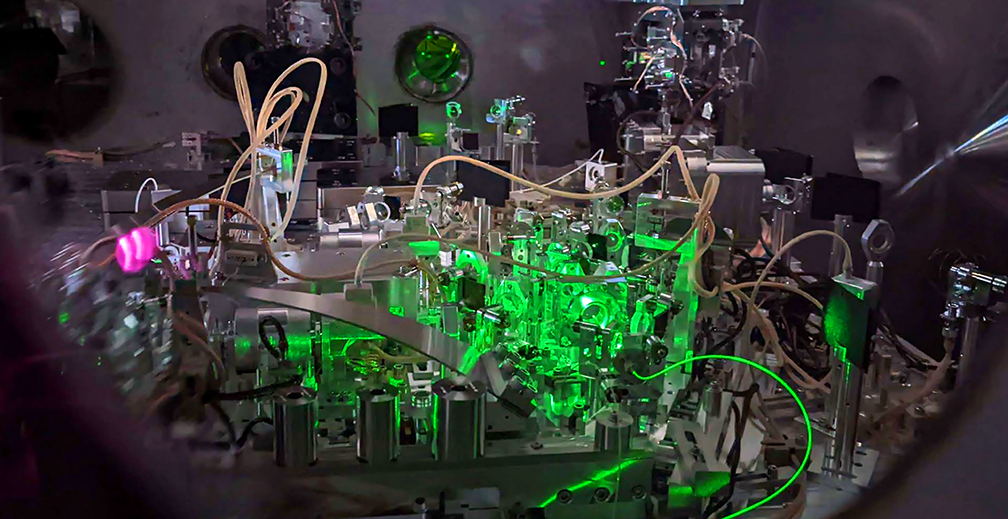
LIGO 2024 Squeezer Credit: LIGO Laboratory
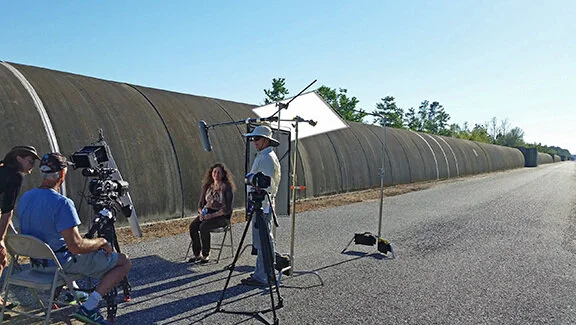
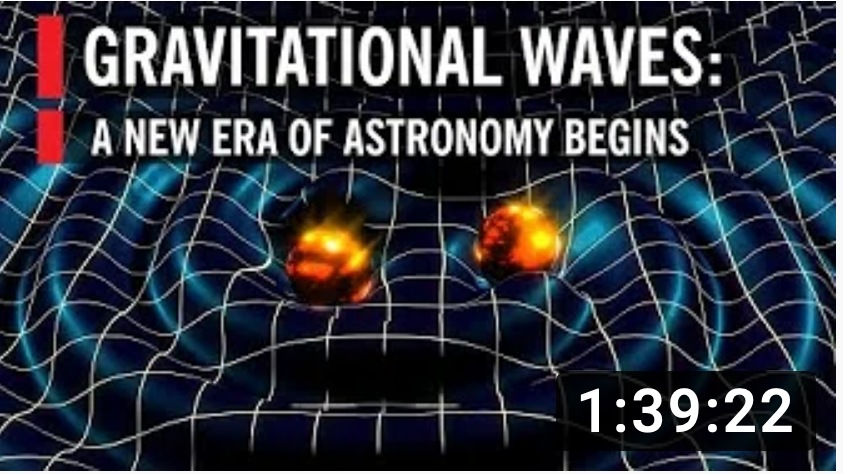
WORLD SCIENCE FESTIVAL 2016 LIGO PANEL
Produced and co-written by Les Guthman. Featuring Barry Barish, Nergis Mavalvala, Frans Pretorius and David Shoemaker. (2.9 million views as of 2026.)

Interview with Les Guthman, December 2020
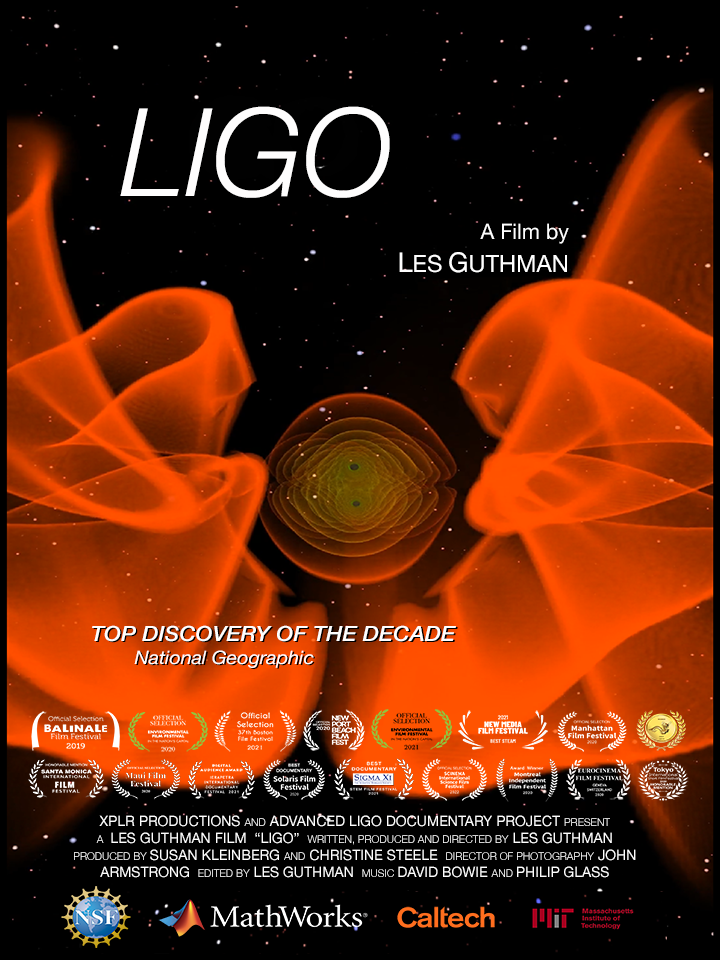
“LIGO” Director’s Cut Now on YouTube
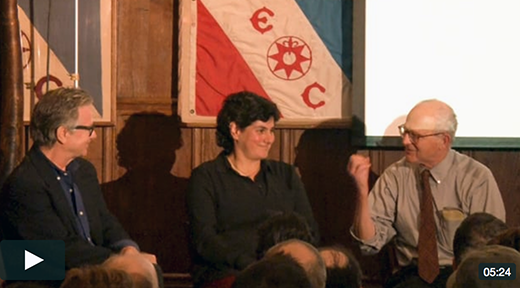
EXPLORERS CLUB PANEL HIGHLIGHTS,
October 27, 2017
Les Guthman, Nergis Mavalvala, Rai Weiss
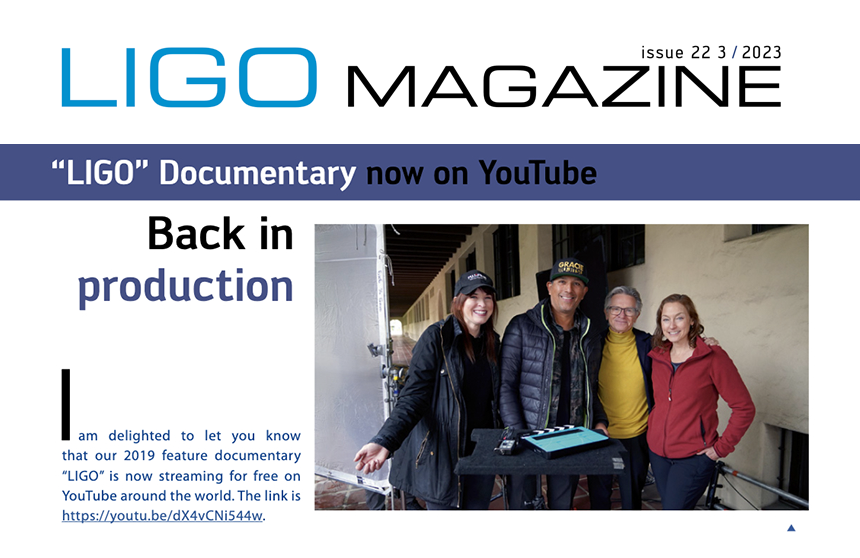
“LIGO” Update, September 2023
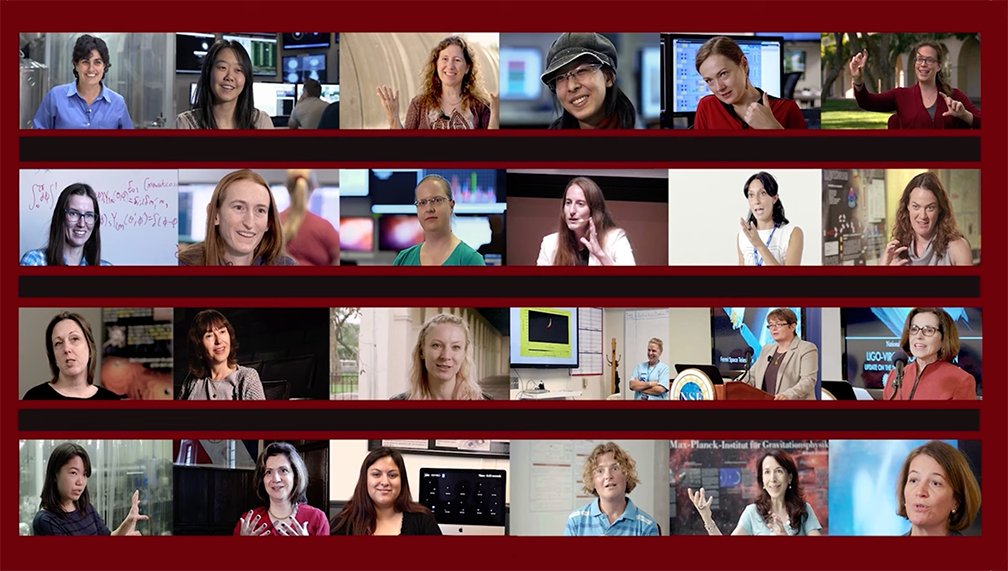
Promo for New LIGO Documentary in Post-Production 2026.
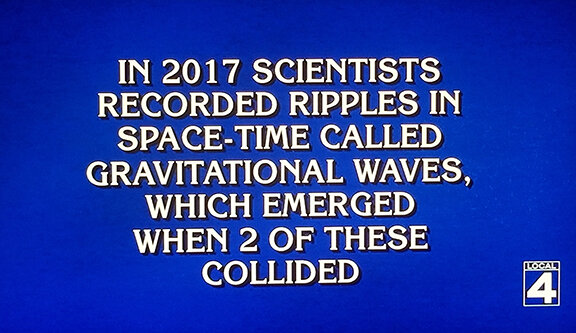
LIGO makes Jeopardy…

“Squeezed Light” is a Production of the Advanced LIGO Documentary Project
and XPLR Productions
(c) 2026 XPLR Productions, LLC